
yslalan
-
Posts
145 -
Joined
-
Last visited
2 Followers

Recent Profile Visitors
2,559 profile views




yslalan's Achievements






-
Ada and Blackwell should both work. You may just need to add logic to detect the device name properly.
-
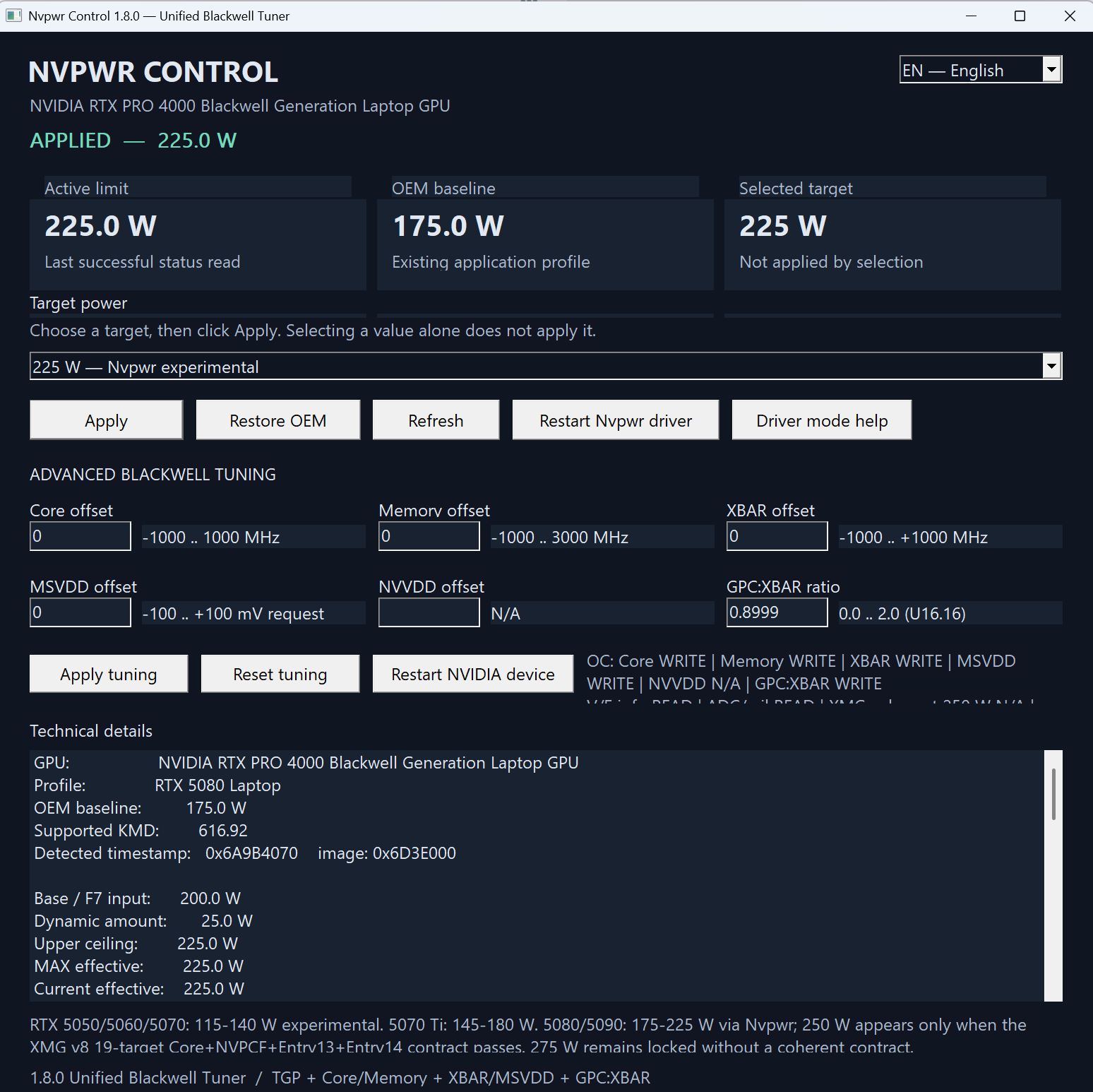
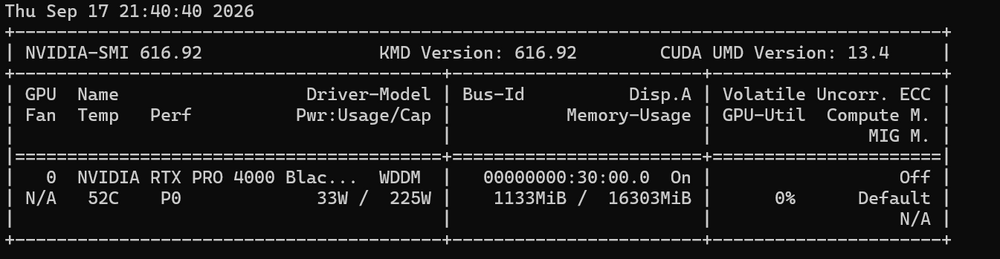
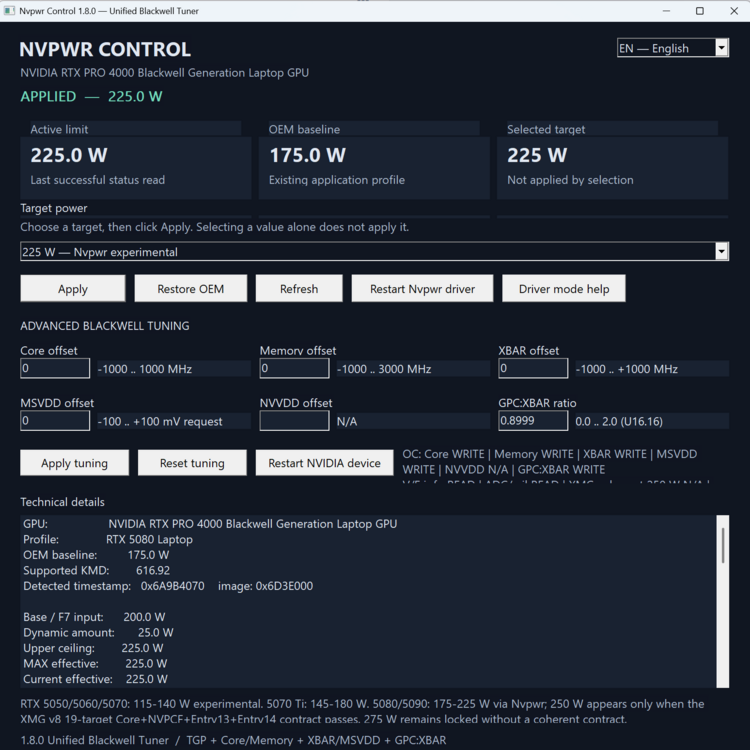
https://github.com/LevinAi-arch/rtx-5070ti-laptop-160w-power-limit/releases/tag/v1.8.0 Interesting repo. Just modified a few lines of code to make it work with the RTX PRO.
-
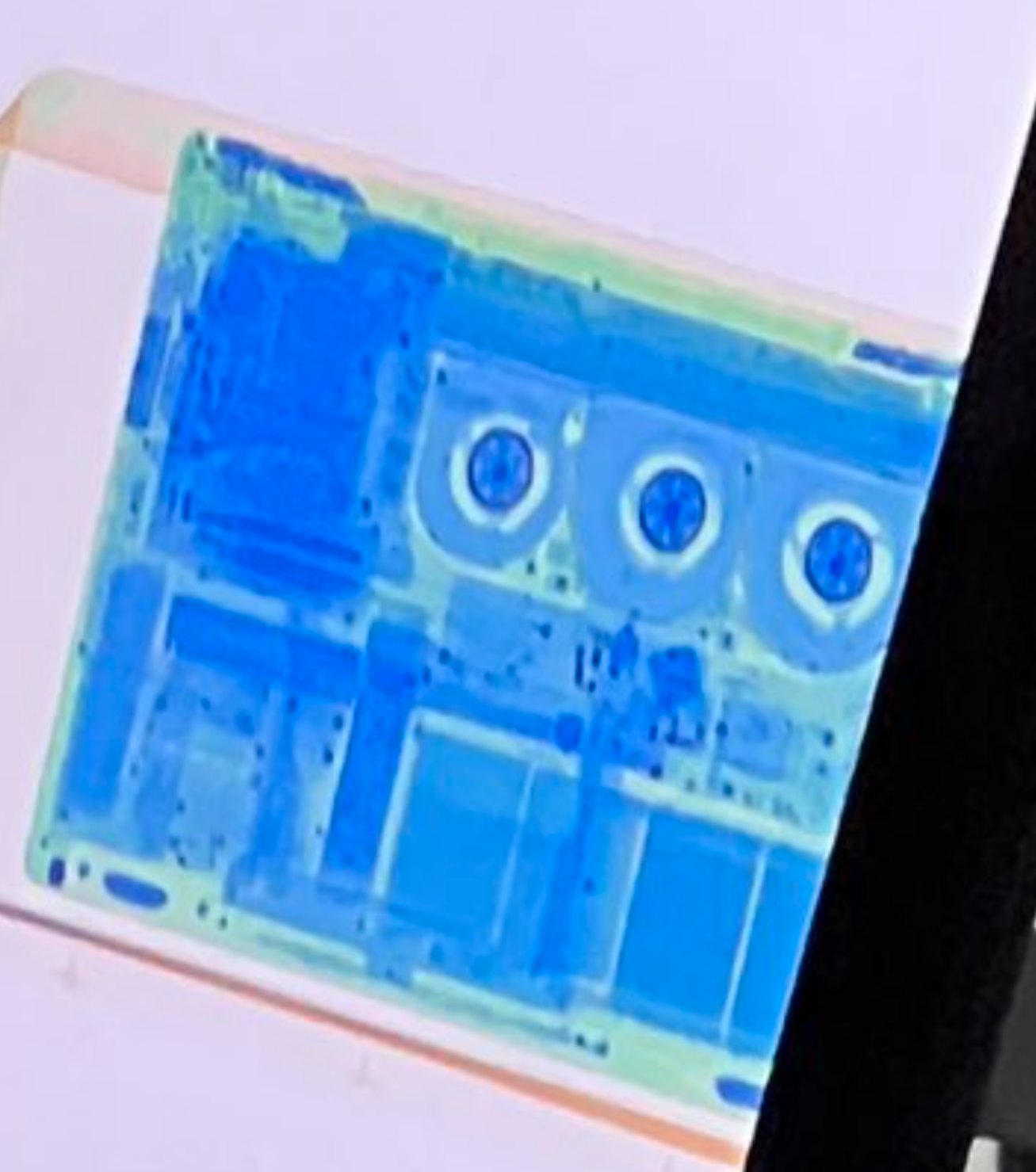
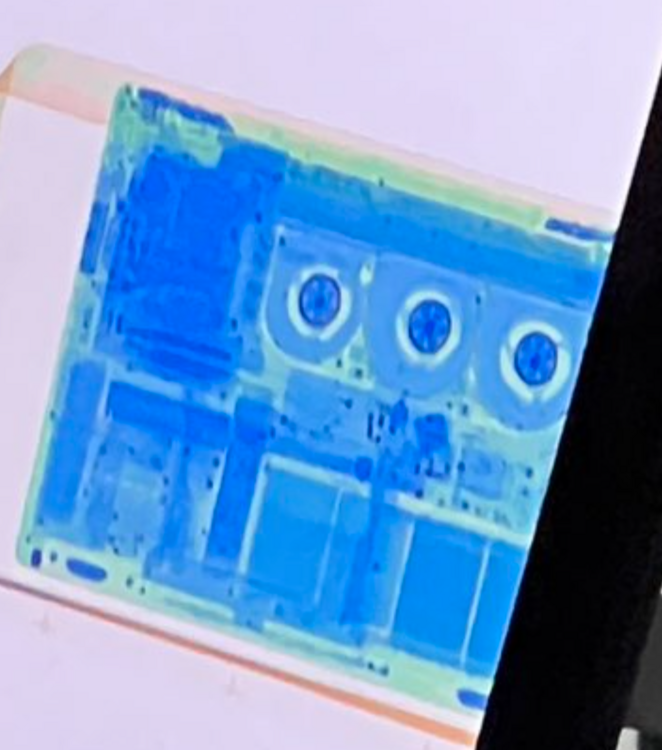
Actually, the third fan you mentioned is mainly used for internal cooling, including the heatsink surface, memory modules, 48V regulator, and SSDs. This means the third fan draws air in through the ventilation grille underneath the palm rest.
-
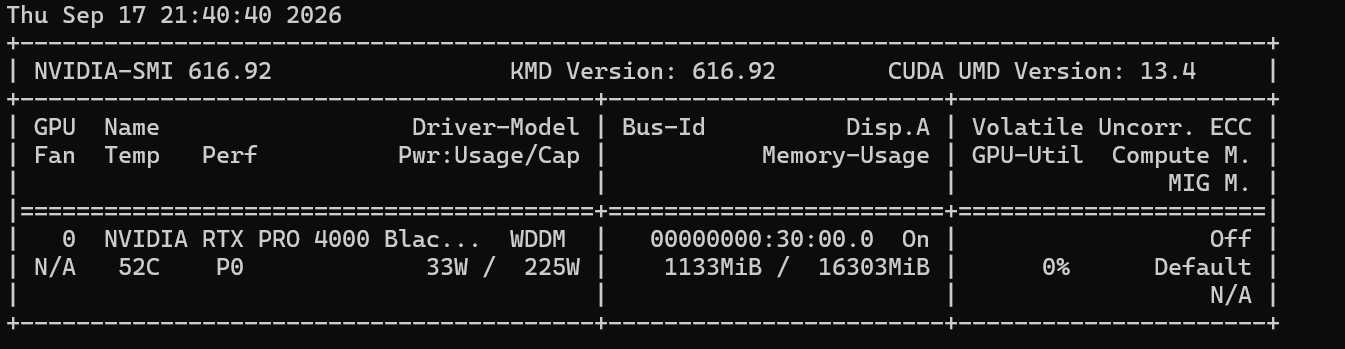
I think the GPU portion is software-limited. From what I remember in the leaked promotional materials, the PM16P has a 170 W system TDP, while the PM18P has a 200 W system TDP. In my use case, the GPU does not get very hot, but it still stays around 145–150 W under sustained workloads. As you mentioned, the 18-inch model can stay at 175 W for a longer period. So my guess is that the firmware dynamically manages the power split between the GPU and CPU based on the hard-coded system TDP limit.
-
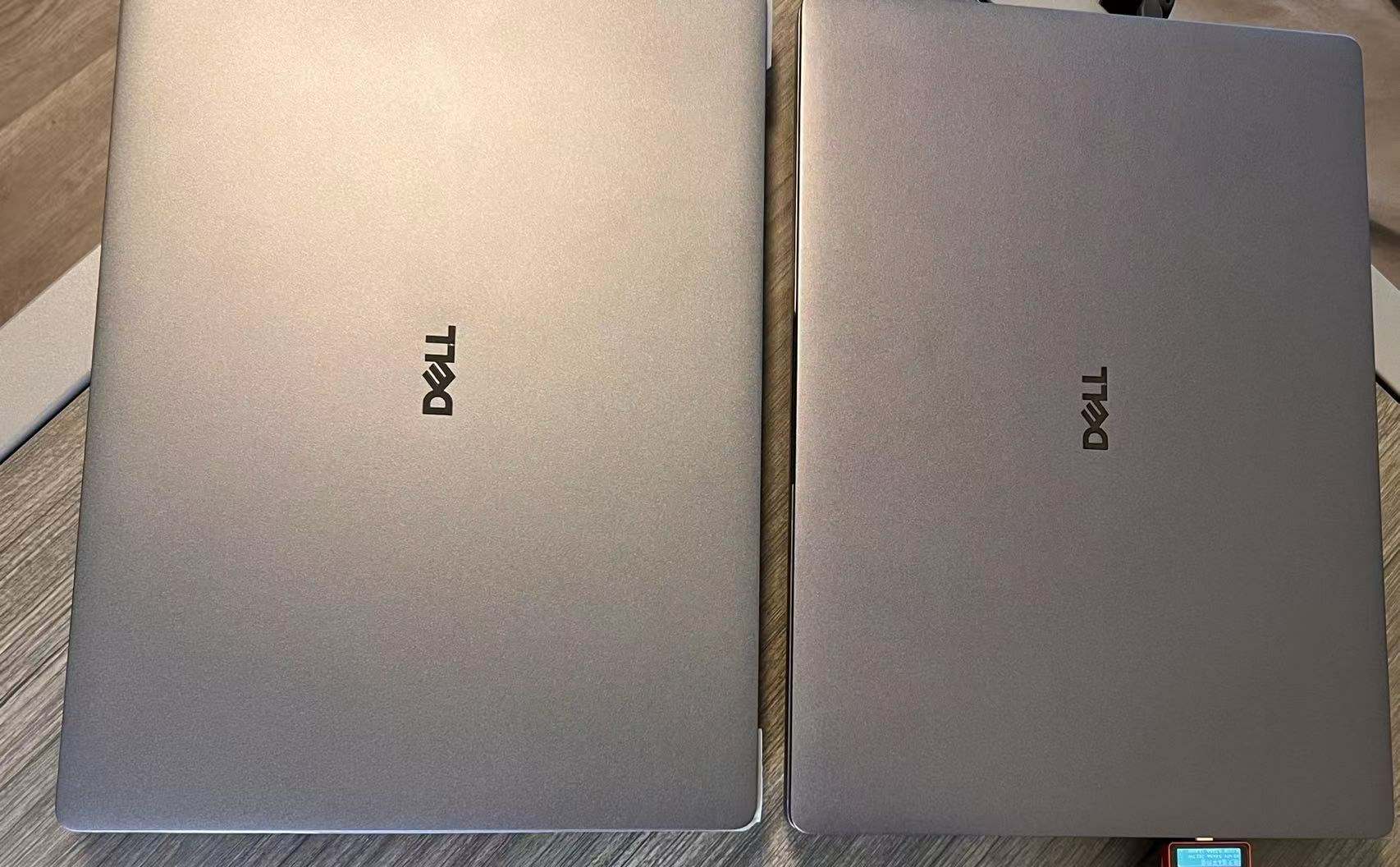
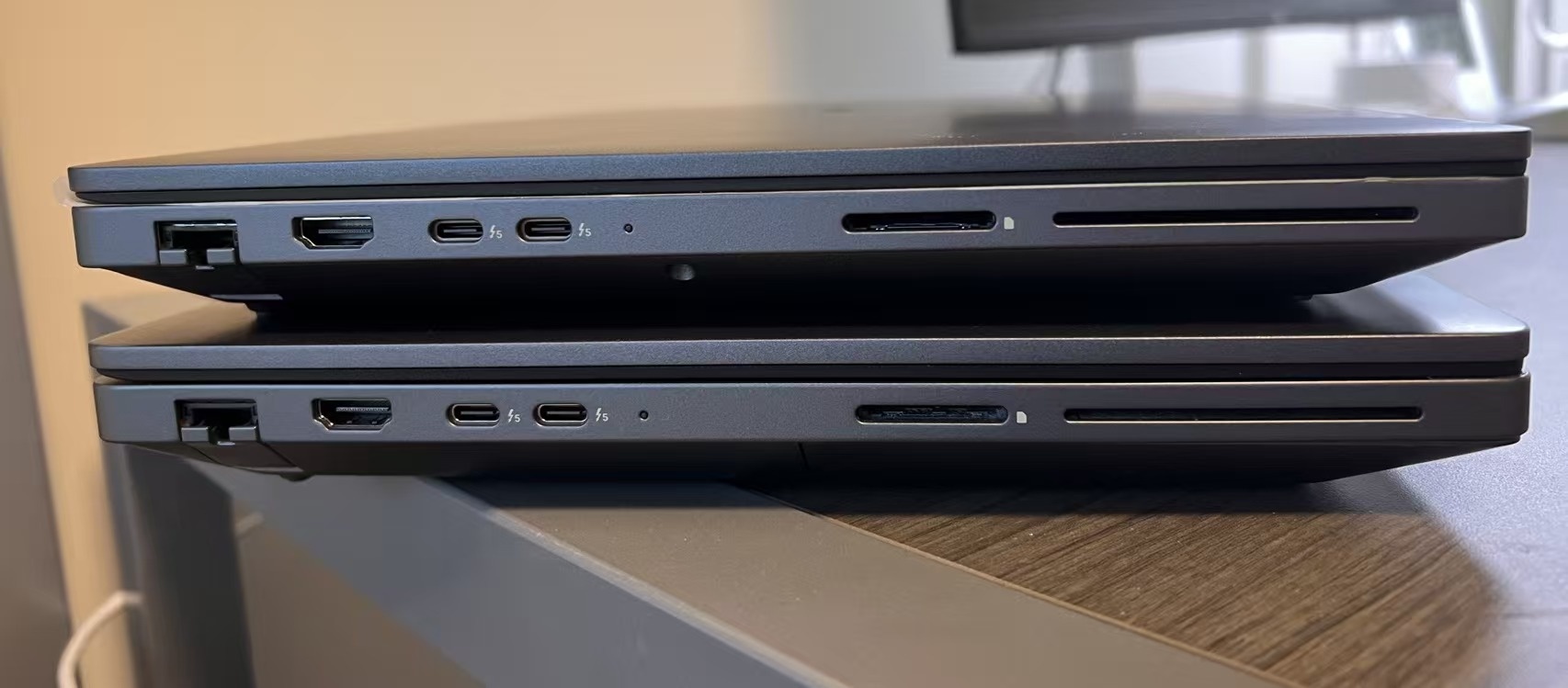
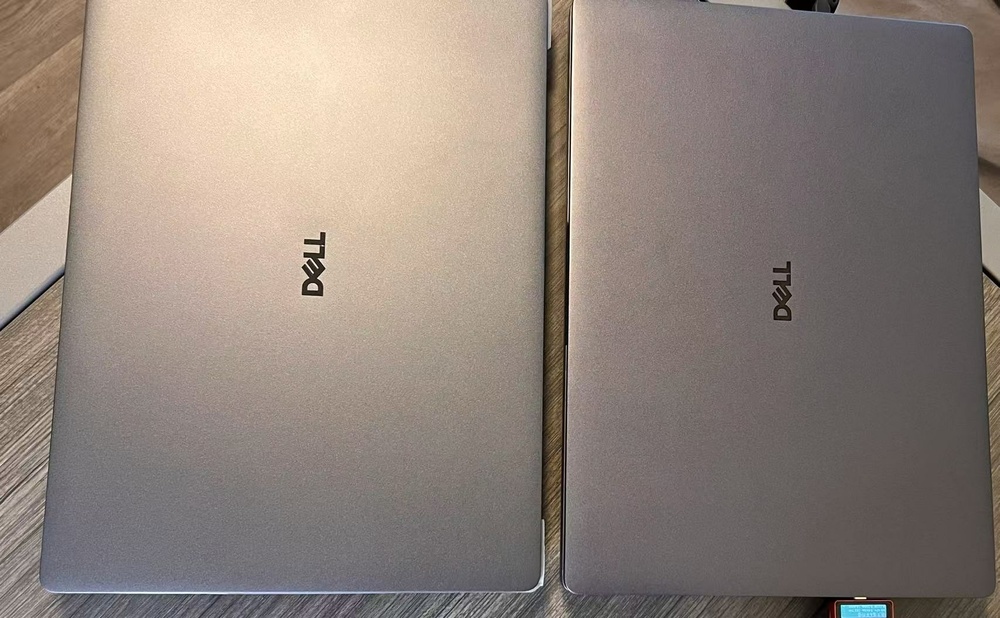
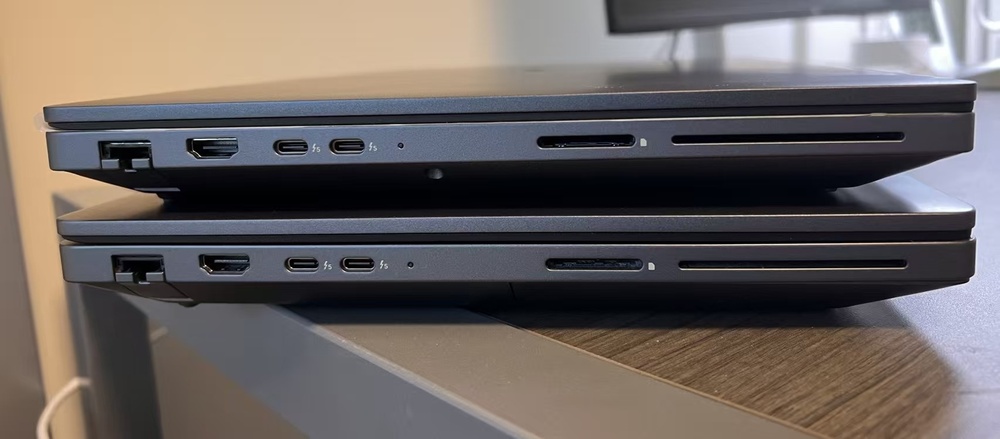
Today I received another PM16P without the touchscreen option (no quick access bottom door). To my surprise, the top case color is not exactly the same as my other one; one looks slightly off. Another difference is that the surface finish also feels different (for all surfaces, including top case, bottom case, and palmrest): one feels more textured, while the other feels smoother. I’m not sure why this is the case. Maybe it is due to differences in production batches or manufacturing locations. The touchscreen model was made in China, while the new non-touchscreen one was made in Vietnam.
-
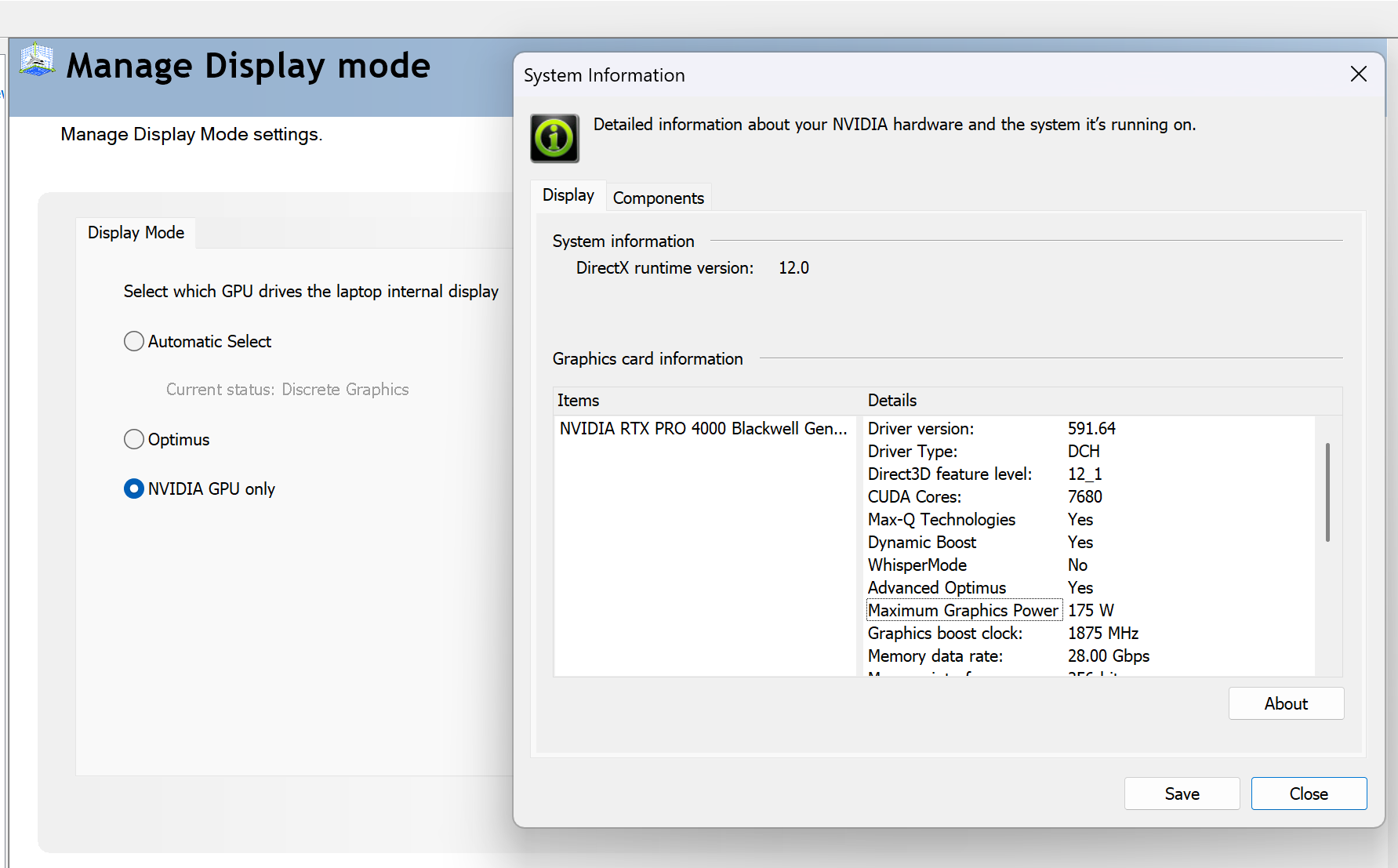
You are right, it's a 115W TGP card with the Dynamic boost to 175W. Same for MB16250 and MB18250. I still don't understand this. I have compared vBIOS from 16inch and 18inch, they are identical in binary. Also, the card is switchable between the two devices. It seems that the logic of the EC may limit the draining of power.
-
It's normal
-
Based on the PCIe topology of this generation, it appears that the PCH is not connected to the SSDs. Instead, the NVMe devices are connected directly to the CPU (i.e., two are connected to the IOE tile, and one is connected to the SoC tile). IOE is shared with Thunderbolt 5 and dGPU; PCH is pretty idle from what I can see (WLAN and SDXC reader only). It's not a surprise to see a bandwidth difference across different tiles.
-
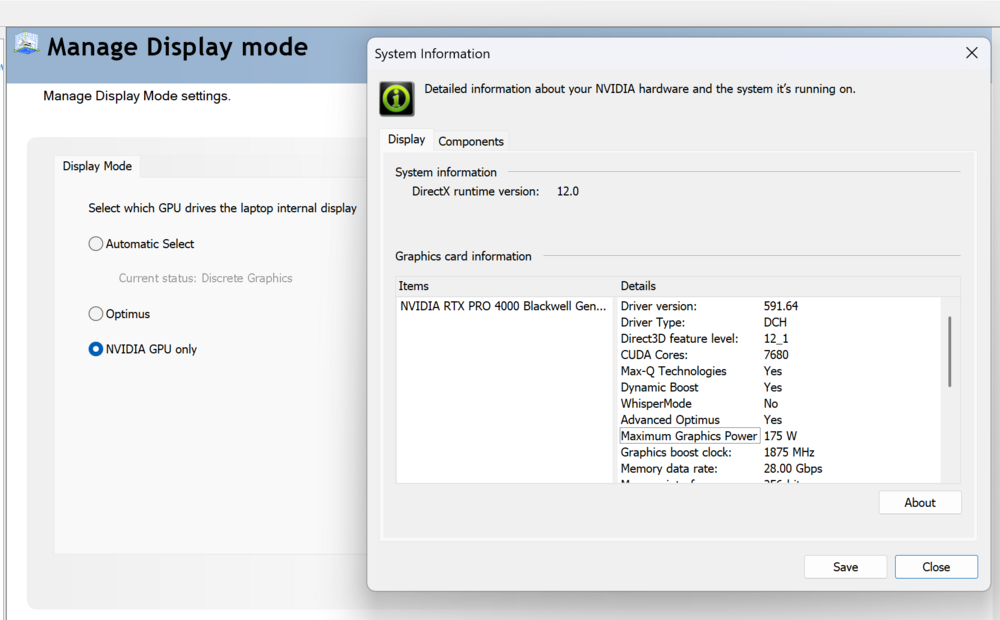
It does support and works pretty well on Pro Max Plus.
-
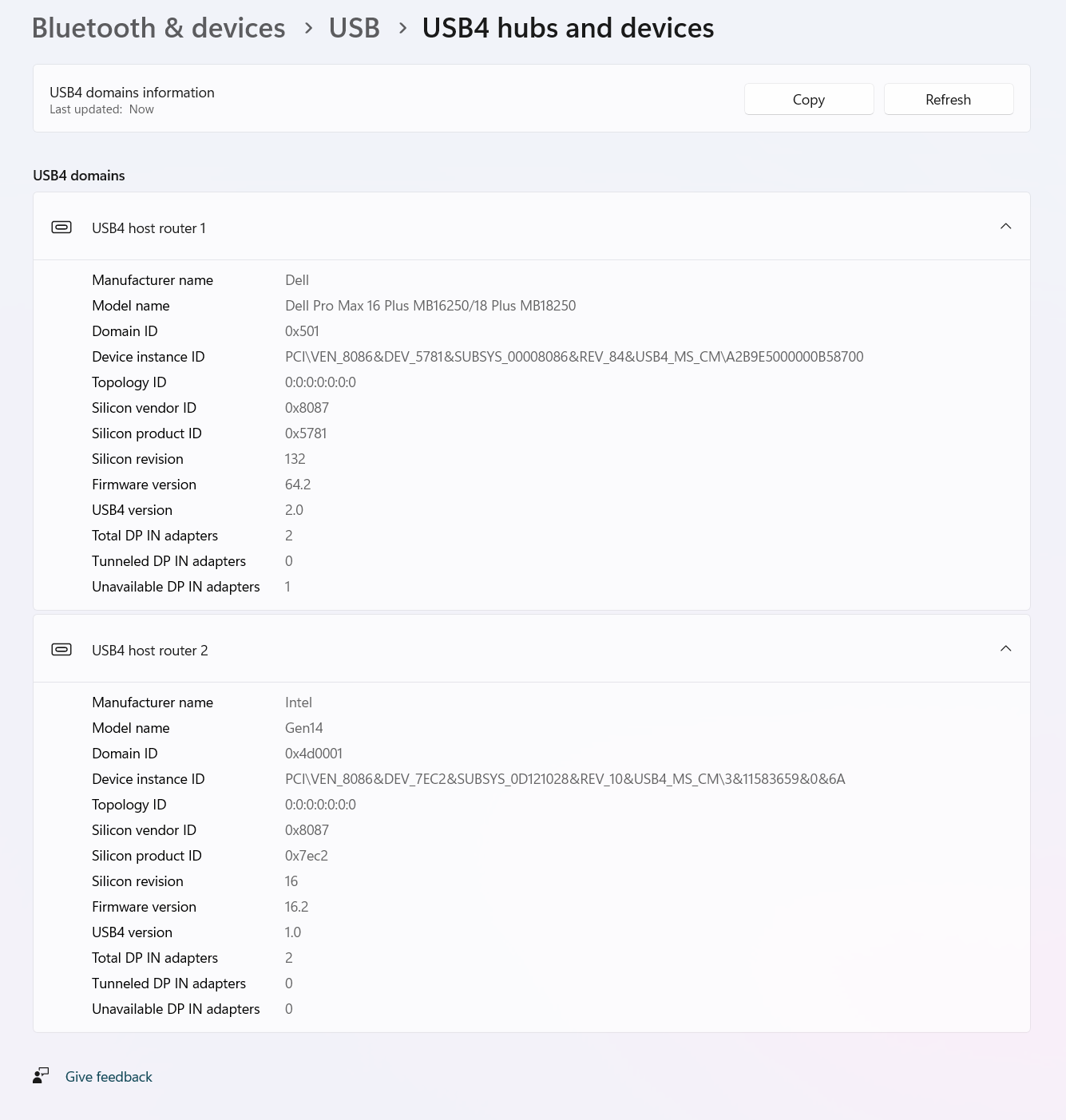
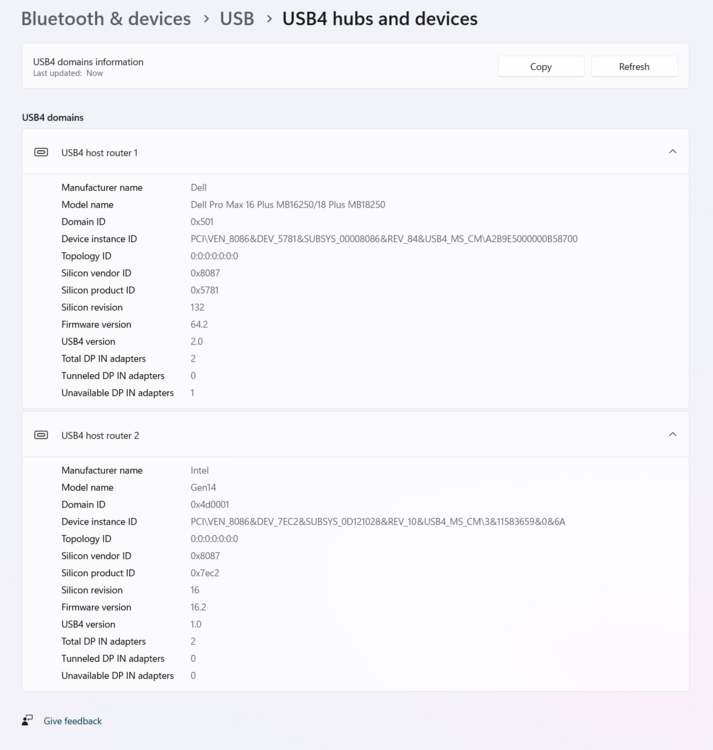
This control centre has been deprecated. All settings for USB4 device(i.e., USB4 and USB4V2) have been moved to the USB submenu under Windows Settings. All CPU-integrated Thunderbolt 4 controllers (except for TigerLake CPU), and dedicated Thunderbolt 9000 series(TB4 & TB5) controllers are recognized as USB4/USB4V2 under Windows.
-
Just out of curiosity, did you face any touchscreen issues when using the Qual Sample dGPU board? I heard it will cause the touchscreen to be non-functional.
-
Dell Pro Precision 7 16 (2026 systems?)
yslalan replied to Aaron44126's topic in Pro Max & Precision Mobile Workstation
I highly suspect the Pro Precision 9 won’t be released this year. Intel has only provided a refreshed Arrow Lake SKU (e.g., 290HX Plus), which lacks vPro support. This situation is similar to 2024, where the Precision 7x90 was absent due to the limited update from the 14900HX refresh. -
I’m satisfied with what I got from the Pro Max Plus 16-inch model, the build quality and performance are decent. It’s better than any of the Precision machines I’ve owned before, including the 7550, 7760, 7670, 7680, and 7780, in many respects. Plus, the 4K 120Hz Tandem OLED is wild, if you are not sensitive on OLED panel, don't miss that option. In my opinion, if you’re looking for a true workstation-class machine, I would not recommend the ThinkPad P16 Gen 3. This model is heavily limited by its preset power limits and power adapter. The combined power budget is only 15W for the CPU plus 115W for the GPU. If you don't care about performance, P16 Gen3 is still acceptable. HP ZBook Fury is probably another option worth exploring. Honestly, I don’t have any experience with HP laptops, so I can’t comment on it.
-
It's literally a 4-cell battery; why does Dell state it comes with a 6-cell battery option?🤣
-
CPU PowerLimit isn't affected