
yslalan
-
Posts
135 -
Joined
-
Last visited
Content Type
Profiles
Forums
Events
Everything posted by yslalan
-
Just out of curiosity, did you face any touchscreen issues when using the Qual Sample dGPU board? I heard it will cause the touchscreen to be non-functional.
-
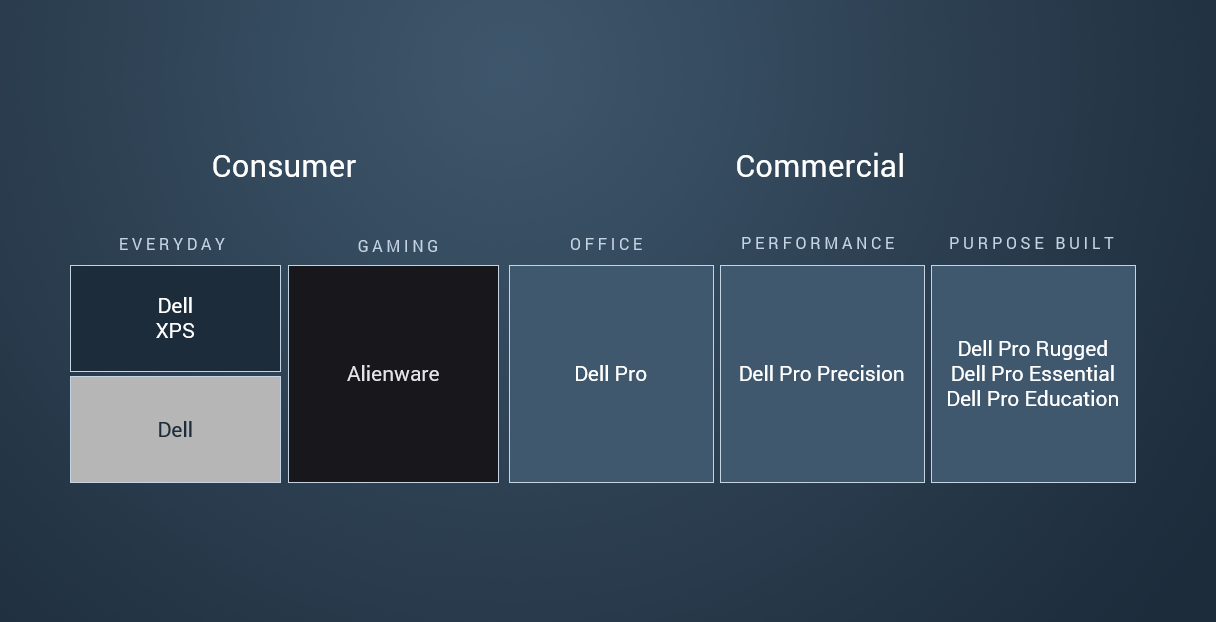
Dell Pro Precision 7 16 (2026 systems?)
yslalan replied to Aaron44126's topic in Pro Max & Precision Mobile Workstation
I highly suspect the Pro Precision 9 won’t be released this year. Intel has only provided a refreshed Arrow Lake SKU (e.g., 290HX Plus), which lacks vPro support. This situation is similar to 2024, where the Precision 7x90 was absent due to the limited update from the 14900HX refresh. -
I’m satisfied with what I got from the Pro Max Plus 16-inch model, the build quality and performance are decent. It’s better than any of the Precision machines I’ve owned before, including the 7550, 7760, 7670, 7680, and 7780, in many respects. Plus, the 4K 120Hz Tandem OLED is wild, if you are not sensitive on OLED panel, don't miss that option. In my opinion, if you’re looking for a true workstation-class machine, I would not recommend the ThinkPad P16 Gen 3. This model is heavily limited by its preset power limits and power adapter. The combined power budget is only 15W for the CPU plus 115W for the GPU. If you don't care about performance, P16 Gen3 is still acceptable. HP ZBook Fury is probably another option worth exploring. Honestly, I don’t have any experience with HP laptops, so I can’t comment on it.
-
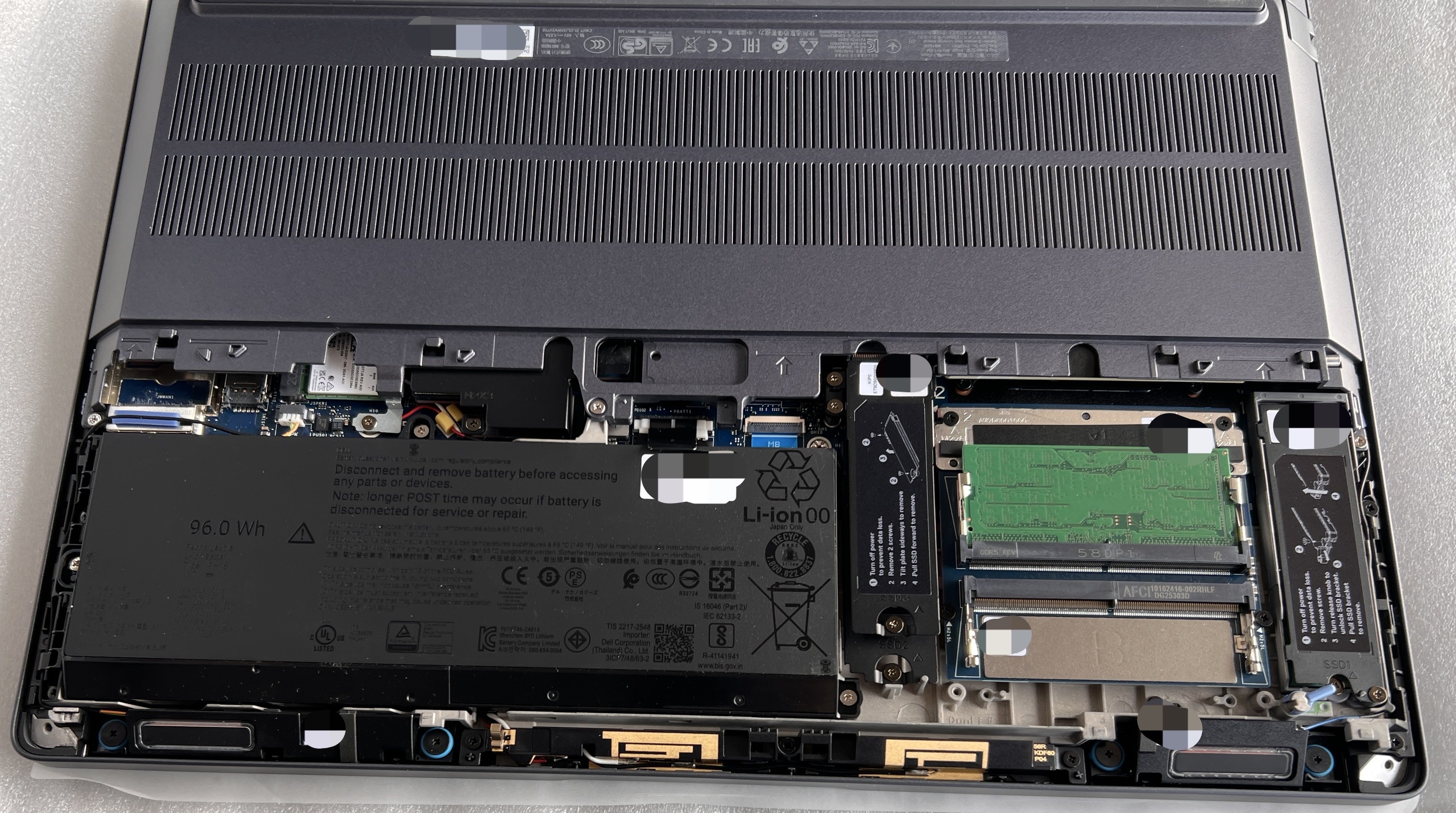
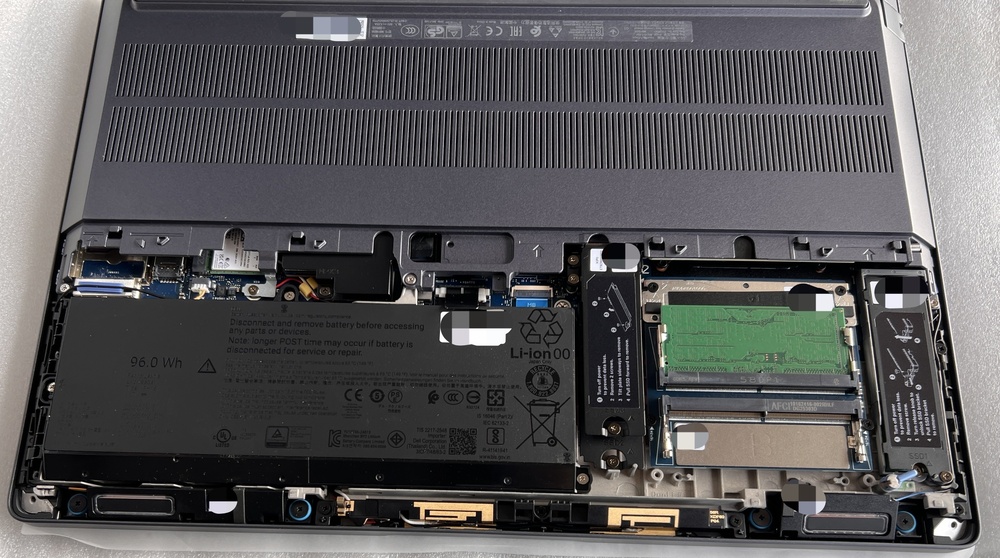
It's literally a 4-cell battery; why does Dell state it comes with a 6-cell battery option?🤣
-
CPU PowerLimit isn't affected
-
The issue I am currently facing is related to the power adapter. When I travel, I use a 28 V 140 W adapter. I have noticed that once the system is connected to the 140 W adapter, the dGPU TGP becomes locked at 115 W, even using the genuine 280W brick. The only way to restore the 175 W TGP profile is to reset the BIOS to factory defaults. I am not sure how Dell has implemented the relevant BIOS logic, but the overall behavior feels quite buggy.
-
WHEA errors are commonly observed in daughterboard designs that rely on PCIe bridges (such as DGFF), especially on PCIe 4.0+ systems. Replacing the motherboard alone will not resolve the underlying signal-integrity issues. I have observed this problem on my Precision 7670/7680, so I am not surprised that it has not been fully addressed by Dell in this generation. I noticed that Lenovo uses CAMM as the dGPU board interposer. How is your friend’s P16 Gen 3? Has he encountered similar issues?
-
R23 is definitely around 35000 for 285HX
-
Dell Pro Precision 7 16 (2026 systems?)
yslalan replied to Aaron44126's topic in Pro Max & Precision Mobile Workstation
My guess is: Precision3000tower->ProMaxT2->Pro Precision 9 T2 Precision5000tower->Not updated last year in ProMax->Pro Precision 9 T4 Precision7/9000tower->Not updated last year in ProMax->Pro Precision 9 T6 -
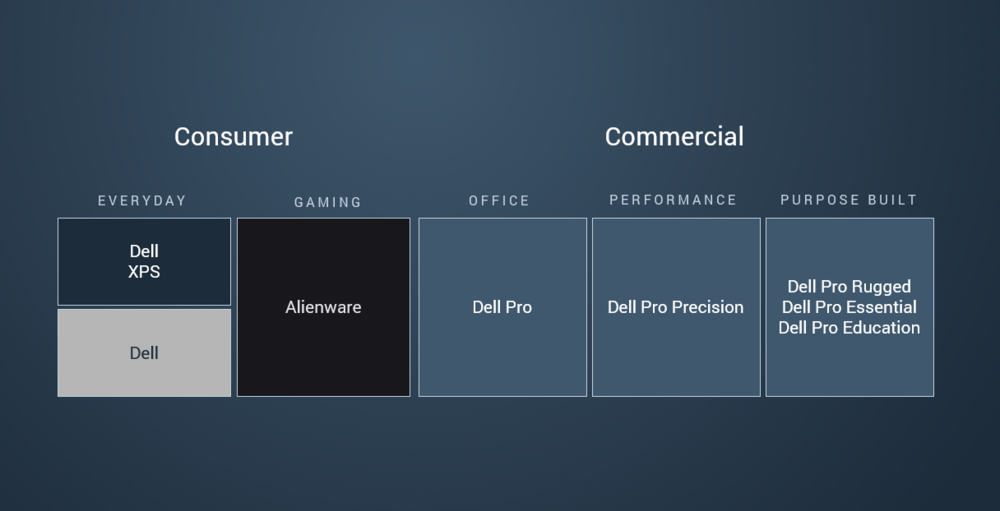
Ironically, they are once again renaming the product line.
-
Just have a double check, even Bluetooth audio has that unexpected noise
-
In the 2025 model, Dell chose Cirrus as the sound card provider, which is uncommon in previous mobile Precision models. I assume that waiting for a firmware update may resolve the issue. Edit: Not really the sound card issue, all sound devices connected to the system have the same behavior
-
Same here on PM16P
-
Thanks for sharing your case. It's resolved by removing one power supply. Probably the GND issue I will get one WD19DC/DCS.
-
I changed the cable and also the device. The issue is still there. I reported the issue to Dell Support, and they informed me that it has been escalated to the engineering team. It remains uncertain when and if the new BIOS will be released to solve this issue. I noticed that the option in the BIOS only affects the right Thunderbolt 4 port. In contrast, the left Thunderbolt 5 ports work perfectly at a 15W output, regardless of the mode set in the BIOS. @Easa @SvenC, if your PM18P is still with you, could you test it on your device? It would help in navigating the issue. The mode switch is visible under the power sub-menu after turning on the advanced setup. Edit: I'm not quite sure what causes this issue. When I long-press the power button for 30 seconds while the device is in power-off status, the issue can be temporarily resolved, but the fix is only temporary. System setup - 280W power adapter and 130W WD19TB (Dual power maybe the issue?)
-
After switching the USB-C charging power from 7.5 W mode to 15 W mode in the BIOS, the right USB-C port can no longer maintain a stable charge for high-power devices, such as an iPhone. It continuously disconnects and reconnects, which appears to be caused by repeated attempts to negotiate the PD 3.0 15 W power protocol. Has anyone else experienced this issue?
-
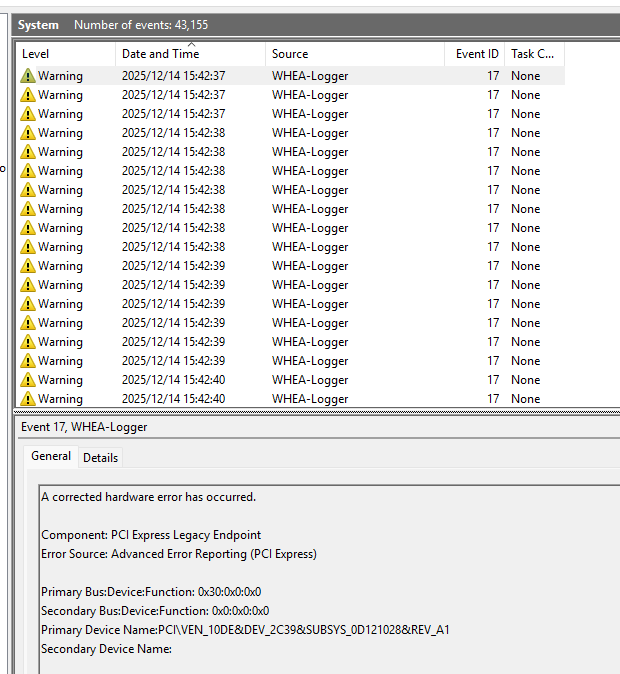
Just had a chance to set up my new laptop. Dell Pro Max 16 Plus is also equipped with a 175W GPU (Dynamic-boosted from 115W TGP), which is the same as 18 Plus Timespy GPU score = ~20500 The quick-access bottom door is a recommended option to add to the system @Easa The WHEA 17 error also populated my Windows event log, as I anticipated. All at the Nvidia device, VID-10DE
-
Dell Pro Max 18 Plus Bottom Cover WITH Latch
yslalan replied to ProMax18's topic in Pro Max & Precision Mobile Workstation
You need to order with the option "quick access bottom door"; otherwise, you won't receive this. My PM16P comes with this quick-access door. -
Dell Pro Precision 7 16 (2026 systems?)
yslalan replied to Aaron44126's topic in Pro Max & Precision Mobile Workstation
I guess it means 5000series, and probably 7000 series is Precision 9? -
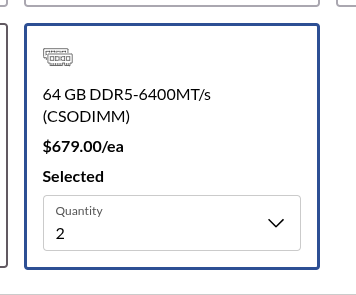
It seems that Lenovo already has the 64GB CSoDIMM modules available in their configuration. But they are not yet in the retail market?
-
The interesting point is that the Hydroc G2 and the Mechrevo CangLong 16 series share the same chassis/hardware, both manufactured by the TongFang ODM. There have been some discussions about WHEA-17 errors related to the dGPU daughterboard on the CangLong 16 in Chinese laptop forums and video platforms. I didn’t look into it too deeply, but from what I skimmed, their idea is: This WHEA-17 issue is mainly caused by the PCIe bridge, which uses a design similar to Dell’s DGFF solution.
-
The device's age is determined solely by its shipping date, which reflects the day it was manufactured, not the day you received it. It’s concerning that it may be related to a PCB circuit design problem and may not be resolved through a system exchange. I recommend requesting a refund and considering other models.
-
I have been experiencing a persistent WHEA17 error on my 7680 (only reported on dGPU). Even swapping the GPU module hasn't resolved the issue. However, it doesn't seem to affect overall stability or performance, so I haven't made significant efforts to troubleshoot it.
-
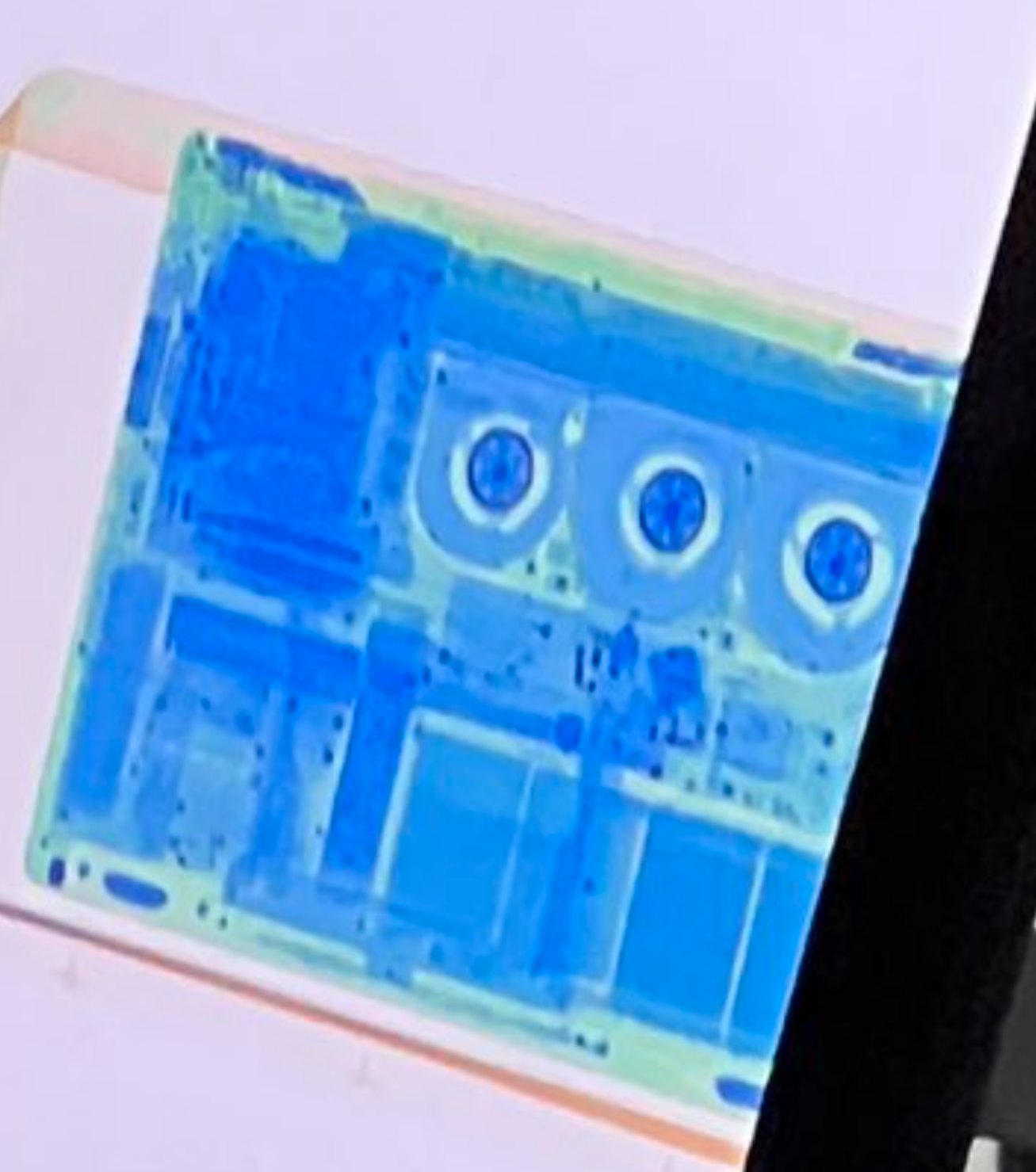
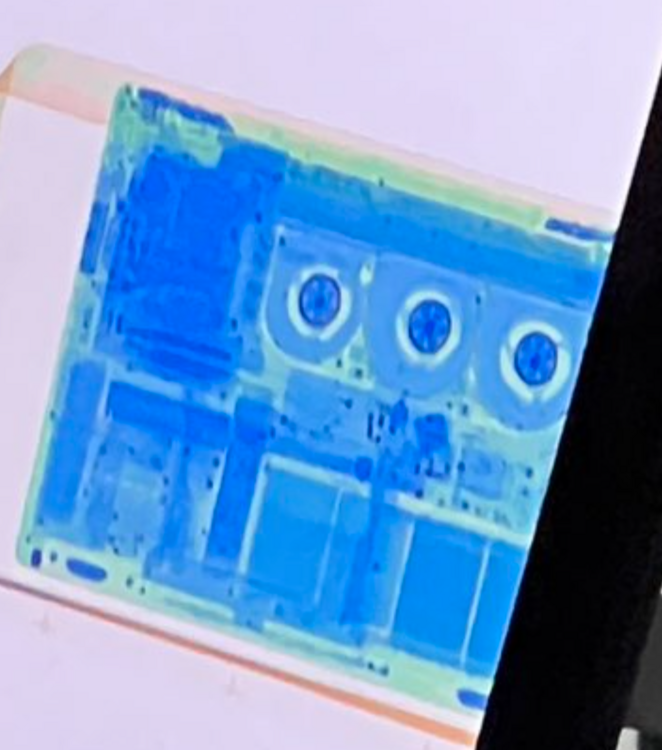
Dell finally released the QCM AI100 NPU configuration for the PM16P, also available to see the card in the manual: The 3rd fan size is compressed due to the wider daughter board
-
The truth is, no matter how thermally efficient the paste is, the scheduler will still drive the CPU/GPU to their maximum PL and hit Tjmax because of the limited heat capacity of a thin heatsink. That’s completely normal on laptops, especially high-performance platforms with aggressive power allocation. These short bursts of high temperature don’t cause any real issues; they’re there to provide the instantaneous performance you need.